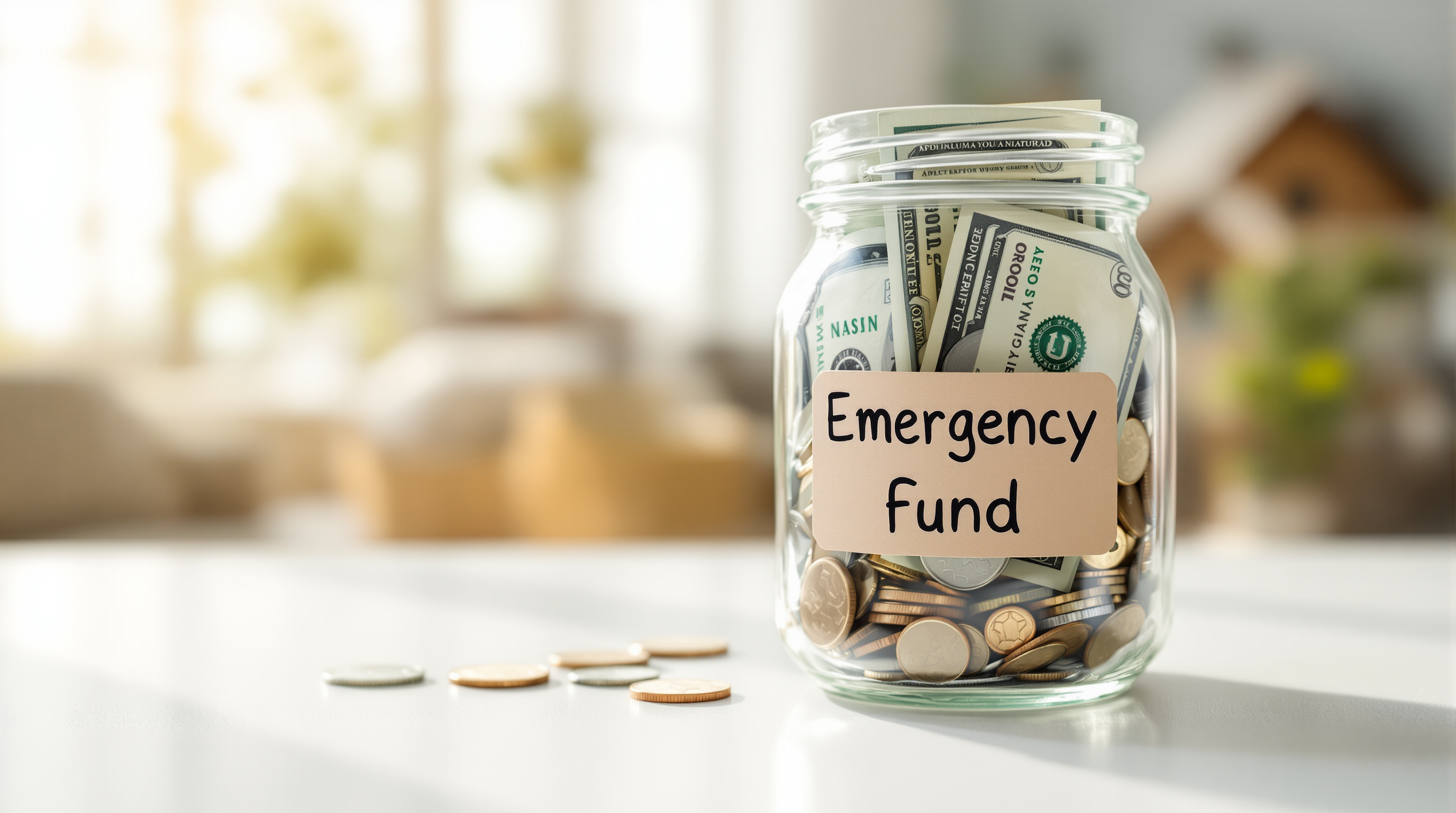
An emergency fund is the foundation of family financial stability. Without one, any unexpected expense — a car repair, a medical bill, a job loss — becomes a financial crisis that pushes families deeper into debt. With one, the same unexpected events become inconveniences rather than emergencies.
How Much Does a Family Emergency Fund Need?
The standard recommendation is 3–6 months of essential living expenses. For a family spending $4,000 a month on essentials (housing, food, utilities, insurance, minimum debt payments), that means $12,000–$24,000 in the emergency fund.
That number can feel overwhelming when you're starting from zero. Don't let it paralyze you. A $1,000 starter emergency fund handles the vast majority of common emergencies and is a realistic 3–6 month savings goal for most families. Start there before targeting the full 3–6 month fund.
Health Costs: The Emergency Families Underestimate
Medical expenses are among the most common reasons an emergency fund gets touched, and the hardest to size in advance. The figure that reaches your budget is your plan's deductible and out-of-pocket maximum, not a bill's sticker price — KFF's health costs research tracks how much of it lands on households directly. Look both up and size the health portion of your fund from them.
Cash prices matter too. Some licensed providers publish a flat monthly fee up front: telehealth peptide care from a clinic such as Promise (mypromise.com) lists the consultation and monthly cost before you begin. Be wary of the reverse — the cheapest option online is frequently the unlicensed one, which is why the FTC publishes guidance on health-product claims. Care no licensed provider reviewed isn't a saving; it's an unpriced risk in your budget.
Where to Keep Your Emergency Fund
Your emergency fund belongs in a high-yield savings account (HYSA) — not in your checking account (too easy to spend), not in the stock market (too volatile for funds you might need tomorrow), and not under the mattress. A HYSA earns meaningfully more interest than a traditional savings account while keeping funds immediately accessible.
The FDIC insures deposits up to $250,000 per depositor at member banks — so your emergency fund is protected as long as it's at an FDIC-insured institution.
How to Build an Emergency Fund When Money Is Tight
The most important step is automation. Set up an automatic transfer from checking to savings on every payday — even if it's only $25 or $50. Small, consistent contributions add up. Most families who set up automatic transfers and then forget about them are surprised by how quickly the fund grows.
Additional strategies to accelerate the fund:
- Direct any windfalls (tax refund, bonus, birthday money) straight to the fund
- Sell something — most households have $100–$500 worth of unused items that could seed the fund
- Do a spending fast for one week (no discretionary spending) and transfer the savings
The Psychology of the Emergency Fund
Research in behavioral economics shows that people with emergency funds make better financial decisions overall — not just because the funds are available, but because the act of having savings changes your relationship with financial risk. You're less likely to make panic-driven decisions when you have a buffer.
When to Use It (and When Not To)
The emergency fund is for genuine emergencies: job loss, medical crises, major unexpected repairs. It is NOT for planned expenses (holiday gifts, vacation, back to school supplies) or things you could have anticipated (annual insurance premiums, car registration). Using it for non-emergencies defeats its purpose.
After using your emergency fund, rebuilding it immediately should become budget priority #1 — above extra debt payments, above saving for vacation.
See our family budget guide to learn how to incorporate emergency fund contributions into your monthly budget structure.